Introduction
Gandhi Sagar Wildlife Sanctuary is a protected wildlife area located in the north-western part of Madhya Pradesh, on the border with Rajasthan. It spans parts of the Mandsaur and Neemuch districts.
The sanctuary was first notified in 1974, with its boundaries formalized subsequently.
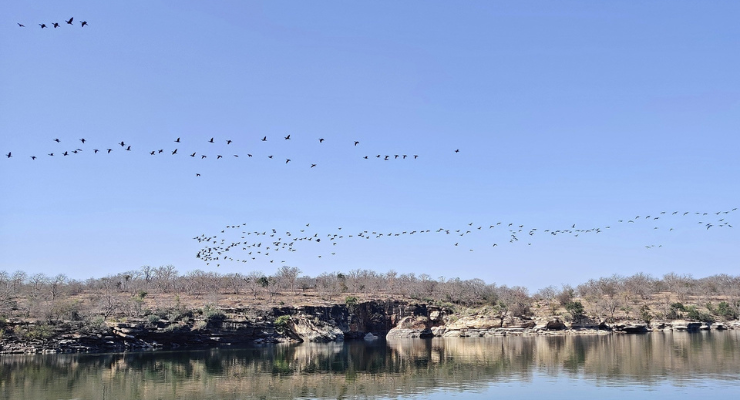
What makes it especially significant is the combination of diverse terrain, semi-arid dry deciduous forest, grasslands, rocky terrain and water-body (reservoir/river) ecosystem. This diversity supports a wide range of flora and fauna, and gives visitors a rich “wildlife + nature + landscape” experience.
Recently, Gandhi Sagar has gained renewed attention due to initiatives to reintroduce big cats (cheetahs) in selected enclosures — making it part of India’s modern wildlife-conservation efforts.
Location & Landscape
-
Geographical Setting: The Sanctuary lies along Madhya Pradesh’s boundary with Rajasthan, across Mandsaur and Neemuch districts.
-
Area: It covers approximately 368.62 sq km.
-
Terrain & Habitat: The area is characterized by:
-
Dry and mixed deciduous forest patches
-
Open grasslands and savanna-type plains, especially near the reservoir/backwater area
-
Rocky terrain and semi-arid zones typical of the Khathiar-Gir dry deciduous forest ecoregion
-
The Chambal River flows through the sanctuary, dividing it into two parts — adding a riverine/wetland dimension to the habitat.
-
The presence of Gandhi Sagar Dam reservoir/backwater zone further enhances aquatic and riparian habitats. This habitat diversity — forest, grassland, rocky zones, river & reservoir — makes Gandhi Sagar Sanctuary ecologically rich and suitable for a variety of wildlife species.
-
History & Conservation Significance
-
The sanctuary was officially notified in 1974.
-
The terrain and habitat typify the Khathiar-Gir dry deciduous forest ecoregion — known for its dry forest patches, grasslands and savanna-like ecology in central/western India.
-
Over the years, the sanctuary has been recognized as an Important Bird and Biodiversity Area (IBA) because of its diverse avifauna and wetlands associated with the Chambal River and reservoir.
-
In recent developments, as part of national conservation strategies, the sanctuary has been selected for reintroduction/relocation of big cats — particularly cheetahs — under special enclosures. This marks a new phase in wildlife conservation efforts in the region.
These factors — habitat variety, protected status, landscape connectivity and active conservation initiatives — make Gandhi Sagar Sanctuary an important node in Madhya Pradesh’s wildlife conservation map.
Biodiversity: Flora & Fauna
Flora
The sanctuary’s vegetation and plant life reflect the dry-deciduous, semi-arid ecology of the region:
-
The dominant forest type is dry / mixed deciduous forest, interspersed with scrubland, grassland patches, rocky outcrops and reservoir/riverine zones.
-
Prominent tree species include Khair (Acacia catechu), Salai, Kardhai, Dhawda, Tendu, Palash and similar dry-forest trees adapted to the regional climate.
-
The combination of forest, open grassland, rocky terrain and water-edges provides a rich mosaic of habitats — beneficial for herbivores, predators, aquatic life, and migratory birds alike.
Fauna
Gandhi Sagar Sanctuary supports a varied range of wildlife:
-
Herbivores and Prey Species: Common ungulates and deer like Chinkara (Indian gazelle), Nilgai, Spotted Deer, Sambar, among others, are frequently sighted.
-
Carnivores & Predators: Wildlife includes Indian Leopard, Indian Wild Dog (Dhole), Striped Hyena, Jackal, and other small to medium carnivores.
-
Aquatic & Semi-aquatic Life: The reservoir and Chambal River segments support Mugger Crocodile, otters, turtles, various fish species — contributing to the wetland biodiversity.
-
Birdlife: The sanctuary and its wetlands host many resident and migratory birds, making it a significant spot for bird-watching and avian biodiversity.
-
Future/Planned Wildlife — Cheetahs: As of 2025, Gandhi Sagar Sanctuary has been selected to become the second home for African cheetahs in India (after the first release site), with specially prepared enclosures and habitat restoration efforts underway.
This combination of forest, grassland, wetland and riverine habitats supports a robust and diverse ecosystem across multiple trophic levels.
Explore Madhya Pradesh Wildlife
Tiger Reserves
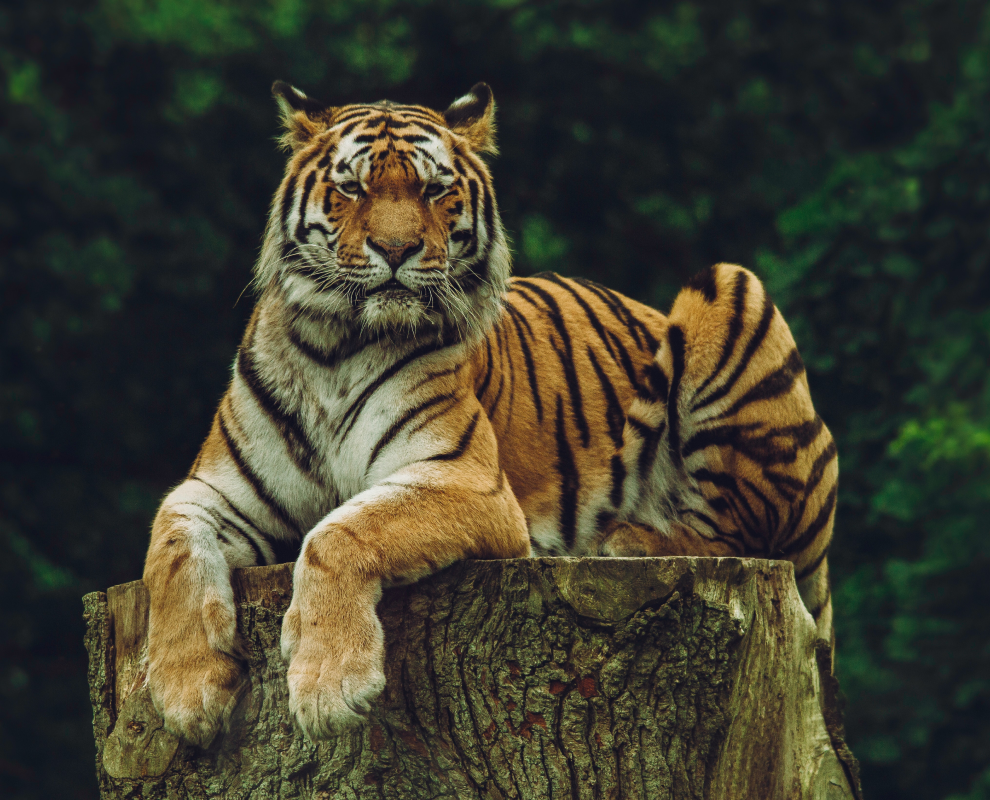
Learn about MP’s famous tiger reserves including Kanha, Bandhavgarh, and Pench. Discover wildlife, timings, and conservation efforts.
 Read More
 National Parks
Explore MP’s national parks like Satpura and Panna. Rich biodiversity, guided tours, and family-friendly activities.
 Read More
 Wildlife Tours & Safaris
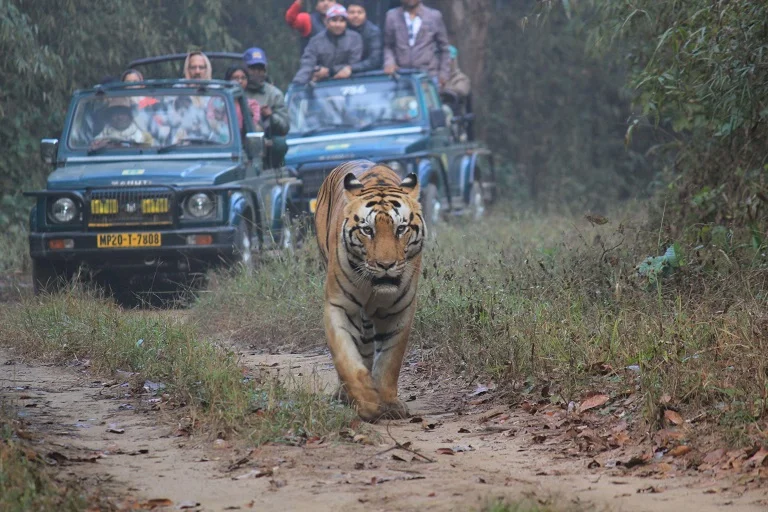
Book guided safaris, eco-tours, and wildlife adventures online. Expert guides and customized experiences available.
 Read More
 Conservation NGOs
Connect with local NGOs working to protect endangered species and empower communities across MP.
 Read More