Introduction
Panna National Park is one of India’s celebrated wildlife destinations, located in the Panna and Chhatarpur districts of Madhya Pradesh. Established in 1981, the park spreads across a substantial area and forms a vital part of the Panna Tiger Reserve.
Once a royal hunting ground, Panna has transformed over decades — becoming a key symbol of wildlife conservation, especially for big cats, forest ecosystems, and biodiversity restoration.
Scenic plateaus, deep valleys, the flowing Ken River and rich flora-fauna make Panna National Park a unique mix of natural beauty and ecological importance — ideal for safari-goers, wildlife lovers and conservation-minded travelers.
Location & Landscape
-
Geography & Extent: Panna National Park lies in the northern Vindhya ranges of Madhya Pradesh, across parts of Panna and Chhatarpur districts.
-
Area: The park covers about 542.67 sq km.
-
Terrain & Habitat: The landscape features rolling plateaus, rugged escarpments, broad valleys, mixed deciduous dry forests, scrublands, grassy meadows, and the Ken River cutting through the park for roughly 55 km. This river and its tributaries create wetlands, riverine zones, rapids and pools — adding to the ecological diversity of the park.
-
Ecological Significance: As the only significant forested habitat patch in northern Madhya Pradesh, Panna along with its buffer and adjoining protected zones plays a critical role in sustaining wildlife populations and forest connectivity.
History & Conservation Milestones
-
The forests which now form Panna National Park — earlier part of various princely states (Panna, Chhatarpur, Bijawar) — were once used as royal hunting grounds.
-
In 1975, parts of the forest area were designated as Gangau Wildlife Sanctuary, combining North and South Panna forest divisions. Later, in 1981, the sanctuary was officially reconstituted as Panna National Park.
-
In 1994, Panna National Park was declared a Tiger Reserve — becoming India’s 22nd tiger reserve and the 5th in Madhya Pradesh.
-
Though in 2009 the reserve suffered severe poaching losses and briefly became “tiger-less”, intensive restoration and relocation programs since then have brought back a stable tiger population — marking one of India’s most successful big-cat recovery stories.
-
Panna was also recognized in 2011 as part of a larger conservation zone under the designation Panna Biosphere Reserve, consolidating the park and surrounding wildlife areas into a broader ecological landscape.
Biodiversity: Flora & Fauna
Flora
Panna’s vegetal cover and ecological diversity are shaped by its dry deciduous biome, plateaus, riverine terrain and grassy meadows:
-
Dominant vegetation includes dry-deciduous forests, scrublands and mixed woodland — with key tree species supporting fauna across trophic levels.
-
The presence of open grasslands, meadows, riverbanks, forest edges and plateaus creates a mosaic of habitat types — ideal for both grazers and predators.
-
Wetland zones along Ken River and associated streams support riparian vegetation and aquatic plants: essential for amphibians, reptiles, birds and aquatic wildlife.
Fauna
Panna harbors a wide variety of wildlife — from apex predators to diverse birdlife — making it a biodiversity hotspot:
-
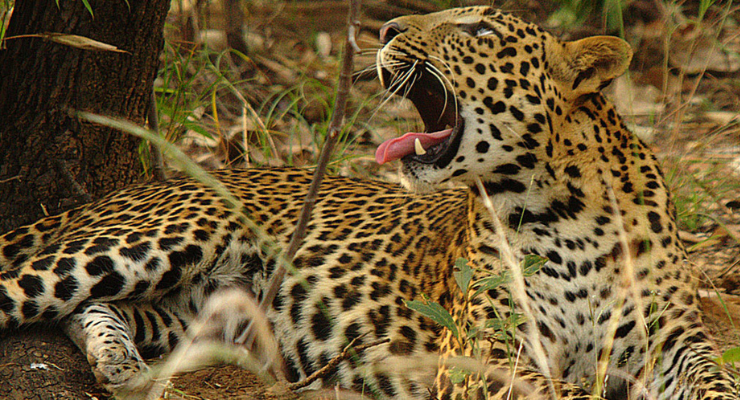
Predators & Carnivores: Bengal tiger, Indian leopard, sloth bear, jungle cat, and other carnivores thrive here.
-
Herbivores and Prey Base: Spotted deer (Chital), Sambar, Nilgai, Chinkara, Wild Boar, various antelopes and other ungulates provide a healthy prey base for big cats and carnivores.
-
Birds & Avifauna: Over 200 bird species are recorded, including resident and migratory birds — making Panna a popular destination for bird watchers. Waterfowl, raptors, riverine birds and woodland species all thrive thanks to the park’s diverse habitats.
-
Aquatic & Reptilian Life: The Ken River and its tributaries support aquatic fauna — fish, amphibians, reptiles — contributing to the ecological balance and diversity of Panna’s ecosystems.
Explore Madhya Pradesh Wildlife
Tiger Reserves
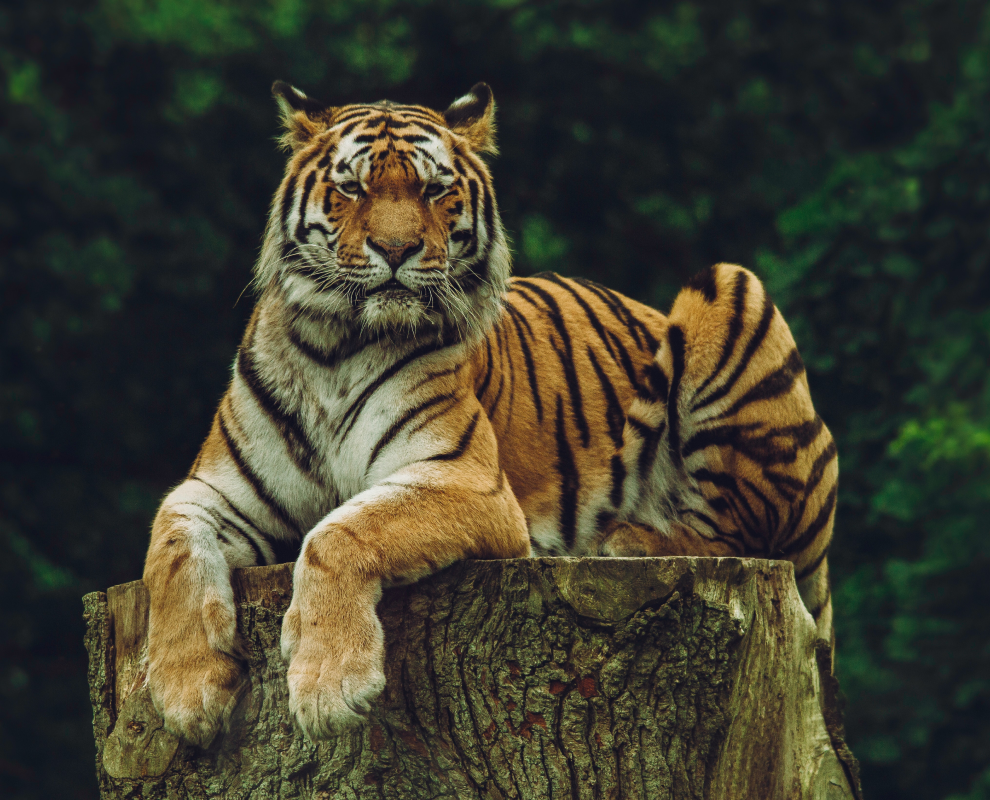
Learn about MP’s famous tiger reserves including Kanha, Bandhavgarh, and Pench. Discover wildlife, timings, and conservation efforts.
 Read More
 National Parks
Explore MP’s national parks like Satpura and Panna. Rich biodiversity, guided tours, and family-friendly activities.
 Read More
 Wildlife Tours & Safaris
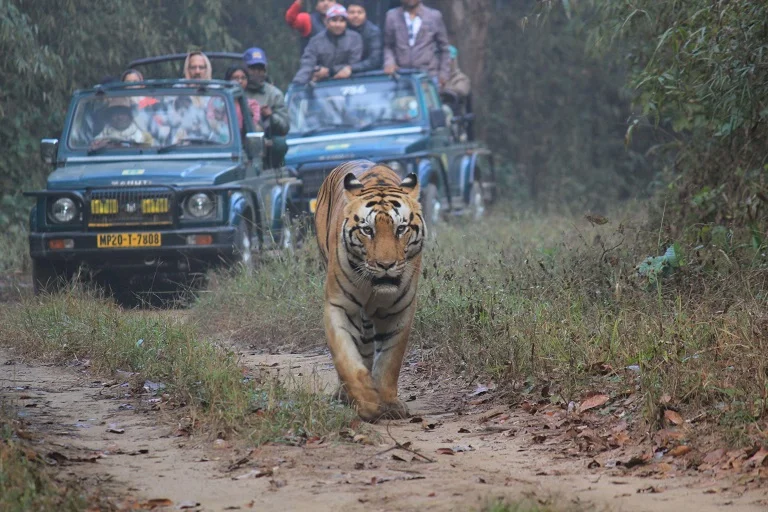
Book guided safaris, eco-tours, and wildlife adventures online. Expert guides and customized experiences available.
 Read More
 Conservation NGOs
Connect with local NGOs working to protect endangered species and empower communities across MP.
 Read More