Introduction
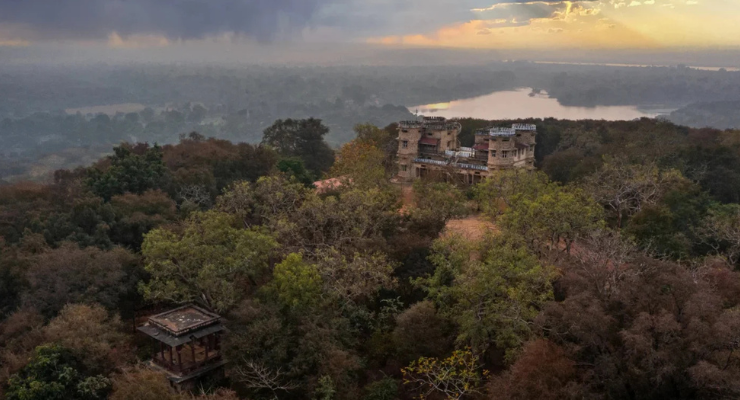
Madhav Tiger Reserve is a relatively new but highly significant protected area in the Indian state of Madhya Pradesh. Located in the Shivpuri district on the northern fringe of the Central Highlands, it offers a mix of historical legacy, rich biodiversity and a landscape shaped by lakes, dry deciduous forests and gentle hills. With its recent designation as a tiger reserve, Madhav is poised to become an increasingly important conservation and nature-tourism destination.
Location, Landscape & Geography
-
Madhav Tiger Reserve is situated in the Shivpuri district of Madhya Pradesh.
-
The terrain comprises gentle slopes, plateaux, dry deciduous forest and important waterbodies (notably Sakhya Sagar, Madhav Sagar) in the southern part of the park.
-
The reserve covers an area of about 355 sq km in the core region as indicated on the official site.
-
The forest type is described as Northern tropical dry deciduous mixed forest and dry thorn forest, typical of the region.
-
The designation of the area as a tiger reserve (the 58th in India) was approved, marking its growing importance in India’s tiger conservation efforts.
History & Conservation Status
-
The area was earlier known as Madhav National Park (previously Shivpuri National Park) and has a history as a hunting ground for the royalty of Gwalior and earlier rulers.
-
Over time, recognizing the ecological significance of the area, the government moved to upgrade its status. On 1 December 2024 the government of Madhya Pradesh notified Madhav as a tiger reserve.
-
Being declared as the 58th tiger reserve of India (and the 9th in Madhya Pradesh) signals major emphasis on conservation, infrastructure, monitoring and habitat protection.
Biodiversity: Flora & Fauna
Flora
-
The vegetation is dominated by dry deciduous forests—trees like khair, dhaora, salai, along with thorny scrub in some parts.
-
The forests also contain grassland patches and lakeside vegetation, which enhance ecological diversity.
-
Topography and slightly varied geology (plateaux, valleys) add to micro-habitats supporting different plant-assemblages.
Fauna
-
Though detailed tiger-population data are emerging, the enhanced status of the reserve means tigers are a focus species moving forward.
-
The area is home to various ungulates and deer species (chital, sambar, nilgai, chinkara) as prey base for large carnivores.
-
Other mammals: leopard, jackal, wild pig, wolf and smaller carnivores are reported.
-
The presence of lakes and forest edges adds birdlife and aquatic species as well, though specific figures for the reserve may still be being compiled.
Visit Now ->

Explore Madhya Pradesh Wildlife
Tiger Reserves
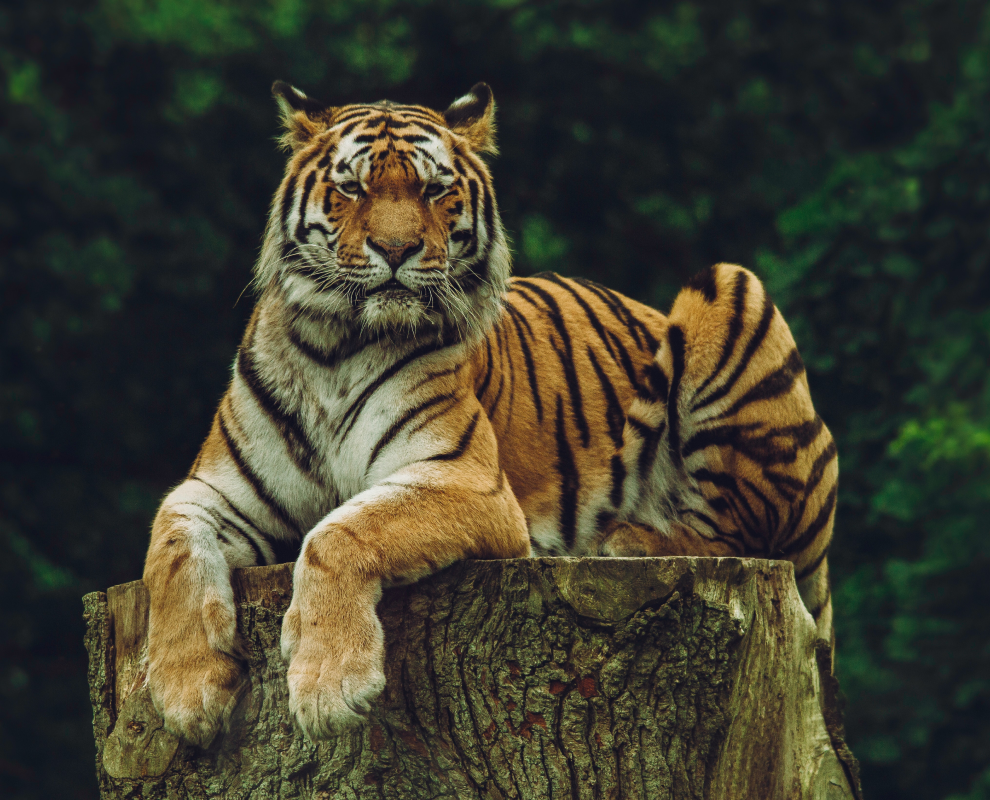
Learn about MP’s famous tiger reserves including Kanha, Bandhavgarh, and Pench. Discover wildlife, timings, and conservation efforts.
 Read More
 National Parks
Explore MP’s national parks like Satpura and Panna. Rich biodiversity, guided tours, and family-friendly activities.
 Read More
 Wildlife Tours & Safaris
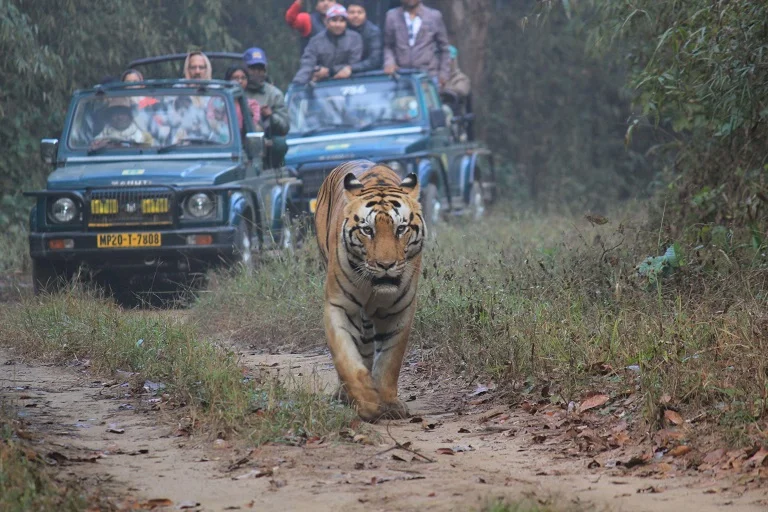
Book guided safaris, eco-tours, and wildlife adventures online. Expert guides and customized experiences available.
 Read More
 Conservation NGOs
Connect with local NGOs working to protect endangered species and empower communities across MP.
 Read More