Introduction
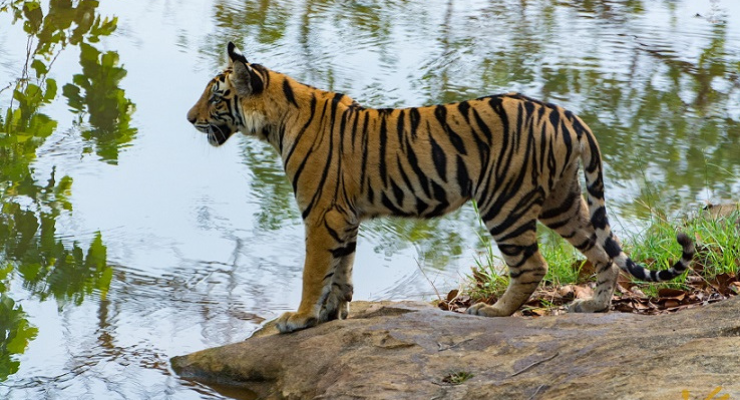
Sanjay-Dubri Tiger Reserve (often referred to simply as Sanjay Tiger Reserve) is a majestic wilderness area in the eastern part of Madhya Pradesh, India. Located in the Sidhi district, this reserve brings together unique terrain, significant wildlife heritage and a crucial role in India’s tiger conservation landscape. Its forests of sal, bamboo and mixed deciduous species, combined with deep valleys, gorges and flowing watercourses, create a multifaceted habitat that is both wild and compelling.
Location & Landscape
The reserve lies in Sidhi District, Madhya Pradesh, bordering the state of Chhattisgarh.
It comprises two major portions: the original Sanjay National Park and the adjoining Dubri Wildlife Sanctuary. Together they form the tiger reserve.
According to official data, the core area covers 812.581 sq km and the buffer area 861.93 sq km.
The terrain is varied — the reserve features hills (altitudes around 200-500 m), steep cliffs, deep valleys, gorges, and the Banas river which flows through parts of the forest.
Vegetation is dominated by sal (Shorea robusta) forests, bamboo under-growth and mixed deciduous trees. The presence of watercourses, plateaux and valley systems adds structural complexity to the habitat.
History & Conservation Significance
-
Sanjay National Park was declared in 1981, and the larger landscape became part of the tiger reserve in 2006.
-
Historically the region is notable for the capture of the white tiger “Mohan (white tiger)” in 1951 from what is now this area — a remarkable chapter in the story of white tigers worldwide.
-
The reserve functions as an important wildlife corridor linking forests in Madhya Pradesh and adjoining Chhattisgarh, thereby supporting genetic flow and movement of large mammals.
Biodiversity: Flora & Fauna
Flora
The forests of Sanjay-Dubri feature:
-
Sal (Shorea robusta) as the dominant tree species, along with other deciduous trees such as dhawa (Anogeissus), khair (Acacia catechu), amla (Phyllanthus emblica) and bamboo thickets.
-
Grasslands, plateaux, slopes and riverine habitats add structural heterogeneity, providing habitats for grazing animals and prey species.
-
Mixed forests with sal in the moist zones, and more dry deciduous species on slopes and less fertile zones, making the reserve ecologically diverse.
Fauna
The wildlife in Sanjay-Dubri is rich and includes:
-
Predators & large mammals: Tiger (Panthera tigris), leopard, dhole (wild dog) and sloth bear.
-
Prey species & ungulates: Chital (spotted deer), nilgai, chinkara, sambar (in limited numbers), wild boar, four-horned antelope and others.
-
Birds, reptiles and aquatic fauna: Over 150 bird species have been recorded, 11 reptile species, 3 amphibian species and 34 fresh water fish species in various parts of the reserve.
-
Special mention: the presence of wilderness corridors allows visiting elephants from Chhattisgarh to enter the area temporarily.
Visit Now ->

Explore Madhya Pradesh Wildlife
Tiger Reserves
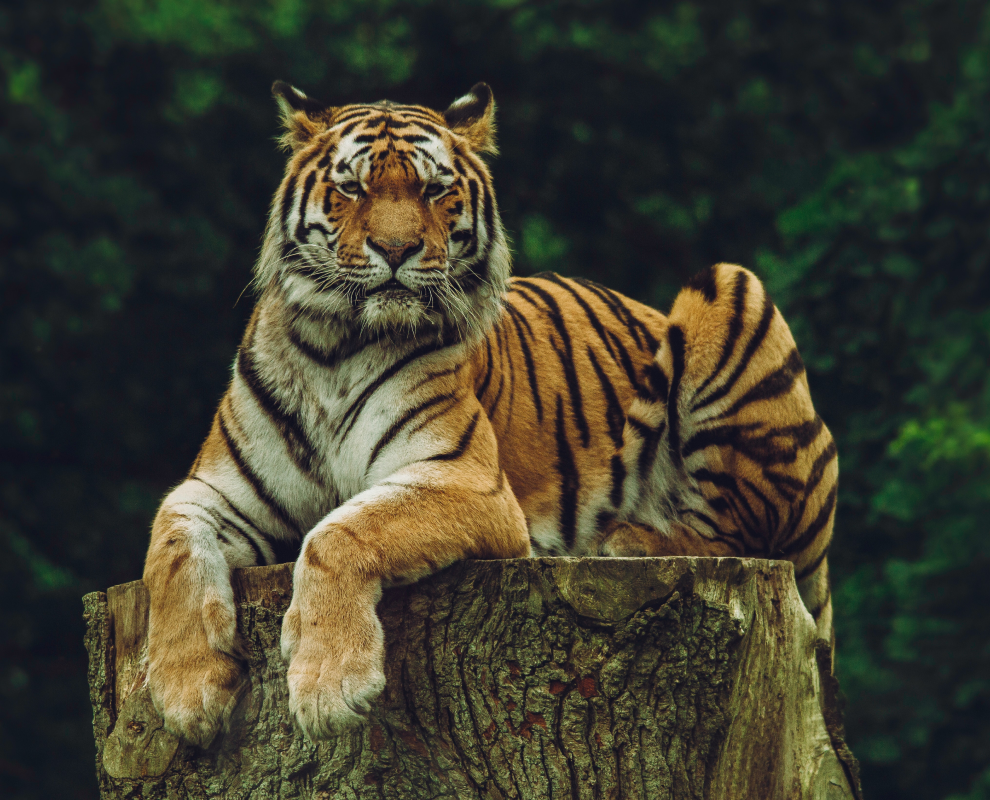
Learn about MP’s famous tiger reserves including Kanha, Bandhavgarh, and Pench. Discover wildlife, timings, and conservation efforts.
 Read More
 National Parks
Explore MP’s national parks like Satpura and Panna. Rich biodiversity, guided tours, and family-friendly activities.
 Read More
 Wildlife Tours & Safaris
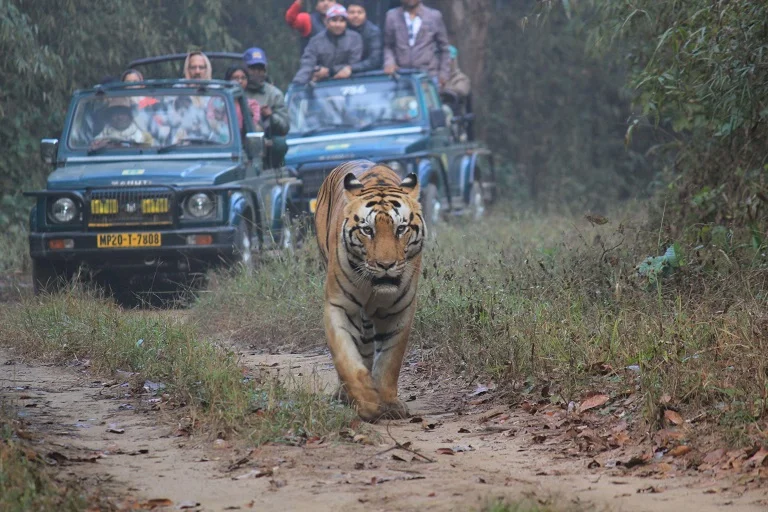
Book guided safaris, eco-tours, and wildlife adventures online. Expert guides and customized experiences available.
 Read More
 Conservation NGOs
Connect with local NGOs working to protect endangered species and empower communities across MP.
 Read More