Introduction
Ratapani Tiger Reserve is a very recent and significant addition to India’s network of tiger conservation areas. Situated in the heart of Madhya Pradesh, it combines rich natural landscapes, historic and cultural significance, and a conservation mandate that makes it a compelling destination both for ecotourism and for understanding wildlife protection in India.
Location & Landscape
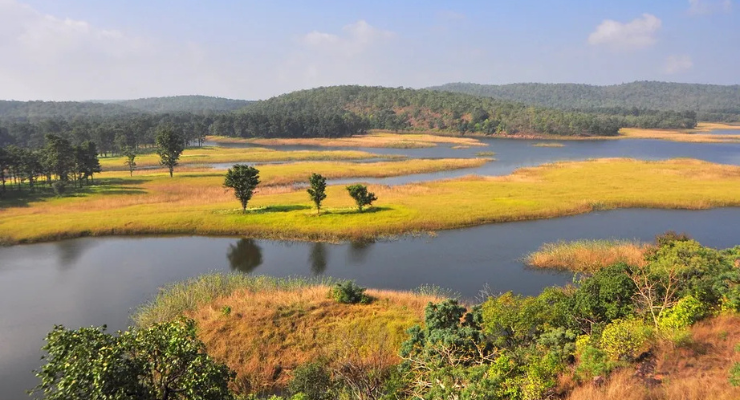
The reserve is located in the Raisen (and partly Sehore) district of Madhya Pradesh, in central India. I
It lies in the Vindhya hill range, running parallel to the Narmada River on its northern side, and with the Kolar River forming part of its western boundary.
As of the latest data, the total area of the reserve (core + buffer) is approximately 1,271.4 km², with a core area of ~763.8 km² and a buffer of ~507.6 km².
The terrain is characterised by undulating hills, plateaux, valleys, seasonal stream-beds, and teak-dominated dry deciduous forest. There are also water-bodies such as reservoirs and dams within or adjacent, which support the ecology of the area.
Because of its proximity (about 60 km) to Bhopal, the state capital, it offers an interesting mix of accessibility and relatively undisturbed wilderness.
History & Conservation Significance
-
The area was first notified as a wildlife sanctuary in 1976, and later extended in 1983.
-
In December 2024 the Government of Madhya Pradesh officially designated the sanctuary as the eighth tiger reserve in the state.
-
The declaration as a tiger reserve marks a strong commitment to protecting large-carnivore habitat, enhancing prey bases and ensuring ecological connectivity in the region.
-
Being located near urban and semi-urban centres, the reserve plays a key role in bridging human-wildlife interfaces and showing how large wildlife areas can co-exist in densely populated states.
Biodiversity: Flora & Fauna
Flora
-
The forest type is predominantly dry-deciduous with teak (Tectona grandis) dominating approximately 55 % of the area.
-
The remainder comprises mixed deciduous forest, bamboo thickets, and moisture-retaining patches near streams or plateaux.
-
Vegetation structure supports both grazing/herbivore species and large carnivores by offering cover, open spaces and water access.
Fauna
-
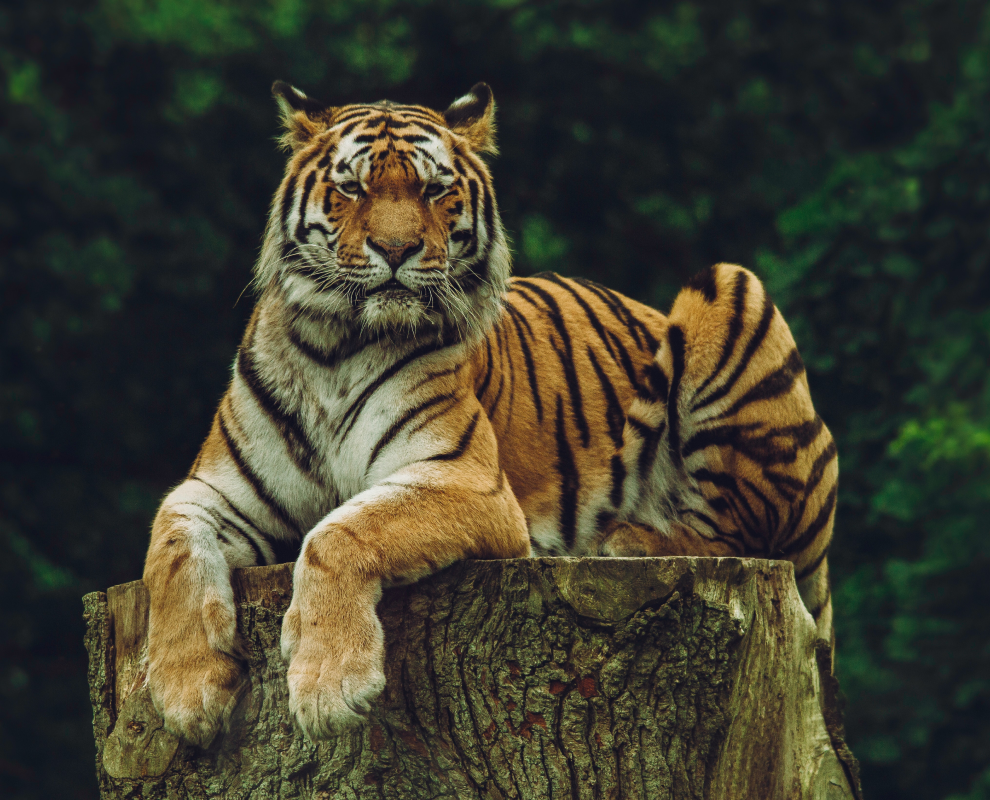
Large-carnivore species present or expected to be supported include the Bengal tiger (Panthera tigris tigris), Indian leopard, sloth bear, dhole and striped hyena.
-
Ungulates and prey species include chital (spotted deer), sambar deer, nilgai, wild boar, four-horned antelope, langur and rhesus macaque among others.
-
Bird‐life is also rich: more than 150 species of birds have been recorded, including forest, water-edge and open habitat species.
-
The presence of such a spectrum of species indicates that Ratapani offers a robust habitat chain—from herbivores to apex predators—essential for conservation success.
Explore Madhya Pradesh Wildlife
Tiger Reserves
Learn about MP’s famous tiger reserves including Kanha, Bandhavgarh, and Pench. Discover wildlife, timings, and conservation efforts.
 Read More
 National Parks
Explore MP’s national parks like Satpura and Panna. Rich biodiversity, guided tours, and family-friendly activities.
 Read More
 Wildlife Tours & Safaris
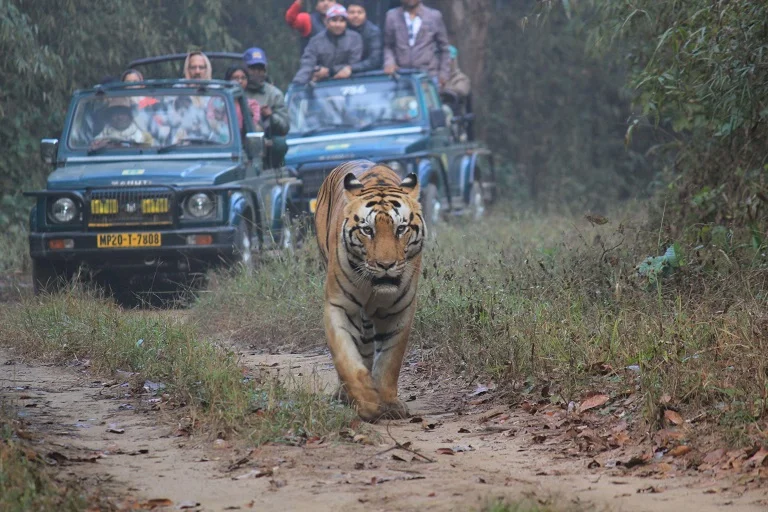
Book guided safaris, eco-tours, and wildlife adventures online. Expert guides and customized experiences available.
 Read More
 Conservation NGOs
Connect with local NGOs working to protect endangered species and empower communities across MP.
 Read More