Introduction
Kuno National Park is one of the most ecologically significant wildlife reserves in central India, located in the state of Madhya Pradesh. Originally notified as a wildlife sanctuary in 1981, it received official status as a National Park in 2018.
Named after the Kuno River that flows through it, the park spans the districts of Sheopur and Morena (sometimes also referred in older records as the region near Sheopur-Morena) and forms a vital link in the region’s forest corridor network.
Kuno has gained national and international attention in recent years, particularly due to its role in the country’s ambitious big-cat reintroduction initiatives, transforming it into a high-priority conservation and eco-tourism destination.
Location & Landscape
-
Geography: Kuno lies on the rugged terrain of the Vindhya hills in north-western Madhya Pradesh. The park’s landscape comprises dry-deciduous forests, open savannah-like grasslands, seasonal streams, rocky plateaux and the Kuno River system that nourishes its ecology.
-
Area: The notified area of the National Park (core + buffer) covers approximately 748.76 km².
-
The vegetative and terrain diversity — from teak-and-khair dominated dry forest patches to open plains and riverine stretches — makes Kuno ecologically rich and suitable for a variety of species, including large carnivores and their prey.
History & Conservation Importance
-
Established: In 1981, the area was declared a wildlife sanctuary (then known as Palpur-Kuno Wildlife Sanctuary).
-
Upgraded: In December 2018, it was upgraded to the status of National Park.
-
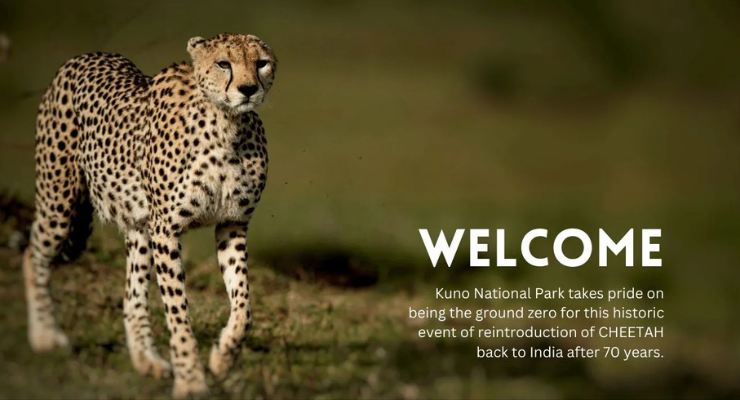
Big-Cat Reintroduction Hub: In recent years, Kuno has emerged as the lead site for India’s Project Cheetah, through which African cheetahs have been relocated to India in a historic attempt to revive the species on native soil.
-
The park’s strategic position — connecting forested zones and serving as a natural corridor — enhances habitat connectivity, facilitating genetic flow and wildlife movement across central India.
Biodiversity: Flora & Fauna
Flora
Kuno’s vegetation reflects the semi-arid and dry-deciduous climate of the region, with a mix of woodland, grassland and riverine vegetation:
-
The flora is dominated by dry-deciduous species including Khair (Acacia catechu), Salai / Boswellia serrata, Tendu (Diospyros melanoxylon), Palash (Butea monosperma), Dhok (Anogeissus latifolia) and other associated trees.
-
Expansive savannah-type grasslands, open meadows, scrub woodlands and riparian vegetation along the Kuno River and its tributaries add structural diversity to the ecosystem.
-
Such a mosaic of habitats supports a variety of ecological niches — from grazing herbivores to predators — making the park’s flora a foundational element for biodiversity and ecosystem health.
Fauna
The fauna of Kuno is rich and varied, making it a key wildlife habitat in central India:
-
Large carnivores & predators: Indian leopard, jungle cat, sloth bear, dhole (wild dog), striped hyena, Indian wolf and other carnivores are known inhabitants.
-
Prey and herbivore species: Chital (spotted deer), sambar deer, nilgai, chinkara, blackbuck, wild boar, langurs and other ungulates frequent the grasslands and forest edges.
-
Reintroduced species — Cheetahs: Under Project Cheetah, African cheetahs were introduced to Kuno. These big cats mark a historic revival of a species once declared extinct in India, making Kuno a pioneering ground for rewilding efforts.
-
Other fauna: Kuno supports a variety of reptiles (including crocodiles and turtles in riverine zones), birds (raptors, water-birds, migratory species), amphibians and a host of smaller mammals — altogether reflecting rich ecological diversity.
Visit Now ->

Explore Madhya Pradesh Wildlife
Tiger Reserves
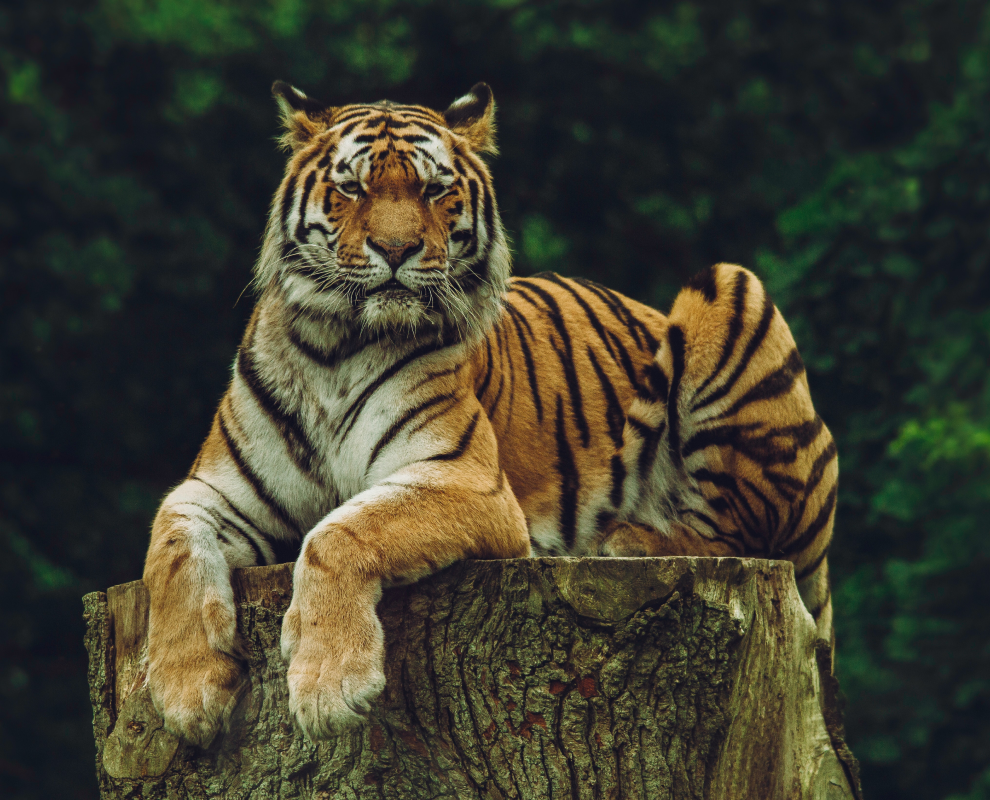
Learn about MP’s famous tiger reserves including Kanha, Bandhavgarh, and Pench. Discover wildlife, timings, and conservation efforts.
 Read More
 National Parks
Explore MP’s national parks like Satpura and Panna. Rich biodiversity, guided tours, and family-friendly activities.
 Read More
 Wildlife Tours & Safaris
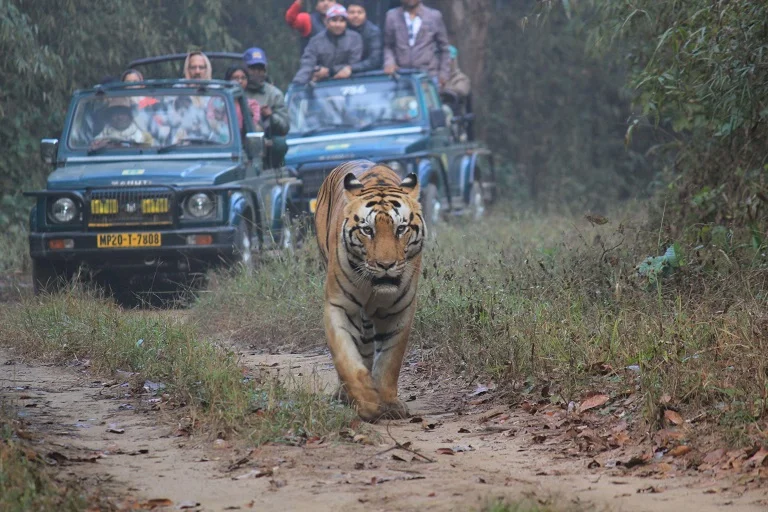
Book guided safaris, eco-tours, and wildlife adventures online. Expert guides and customized experiences available.
 Read More
 Conservation NGOs
Connect with local NGOs working to protect endangered species and empower communities across MP.
 Read More