Introduction
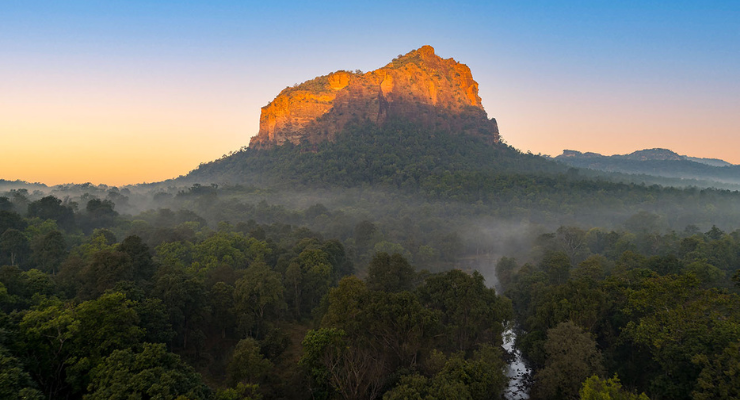
Satpura Tiger Reserve is one of India’s unique and lesser-crowded wildlife destinations, tucked into the heart of central India in the state of Madhya Pradesh. Spanning rugged hills, dense forests of sal and teak, deep gorges and quiet watercourses, the reserve offers a pristine wilderness experience. It plays an important role in tiger conservation, biodiversity protection and natural heritage — making it a compelling subject for a feature page on your website.
Location & Landscape
Satpura Tiger Reserve is located in the Narmadapuram (formerly Hoshangabad) district of Madhya Pradesh, set in the Satpura Range.
The reserve covers an area of approximately 2,133 km² (core + buffer).
The “core” area is around 1,339.26 km², and the “buffer” zone about 794.04 km².
The terrain is varied and dramatic: sandstone peaks, narrow ravines, gorges, plateaux (notably the Pachmarhi plateau), including forested slopes and open meadows.
Vegetation types range from moist sal-forests to teak woodlands, with a transition zone that links central Indian highlands ecosystems.
This diverse terrain contributes to the reserve’s ecological richness and distinct character.
History & Conservation Significance
The name “Satpura” comes from Sanskrit: sapta (seven) + pura (mountain/hill) indicating “seven hills” or “seven folds” of the range.
The region has been under forest protection for a long time and was elevated in conservation status through the creation of the tiger reserve in the year 2000.
It is identified as one of the critical tiger habitats in the central Indian landscape, with connectivity to other forested areas, making it significant in India’s tiger-conservation strategy.
The reserve also hosts remarkable botanical significance: some plant species here connect the Himalayan and Western Ghats floras, making this zone ecologically a “bridge” between large biogeographic zones.
Biodiversity: Flora & Fauna
Flora
The plant life in Satpura Tiger Reserve is rich and varied, reflecting the mixed habitats:
Over 1,300 species of plants have been documented in the broader reserve area.
Forest types include sal (Shorea robusta) forests in higher rainfall zones, teak (Tectona grandis) forests in drier zones, bamboo thickets, moist deciduous mixed forests.
Grasslands, plateaux meadows and clearings are an important part of the ecosystem, supporting grazing species and offering open spaces within the forest matrix.
Fauna
The animal diversity is impressive and includes many wildlife species of conservation concern:
Mammals: The reserve hosts tigers, leopards, gaur (Indian bison), sambar, four-horned antelope, sloth bear, flying squirrel, giant squirrel, and others.
Birds & reptiles: More than 300 species of birds are recorded here. Reptile diversity is also substantial.
Endangered & endemic species: The reserve is home to at least 14 endangered species of mammals, birds or reptiles as identified in its UNESCO nomination material.
The ecological connectivity of Satpura means it serves as a “source” population zone for tigers and other species this high quality of habitat is crucial for larger carnivores.
Visit Now ->

Explore Madhya Pradesh Wildlife
Tiger Reserves
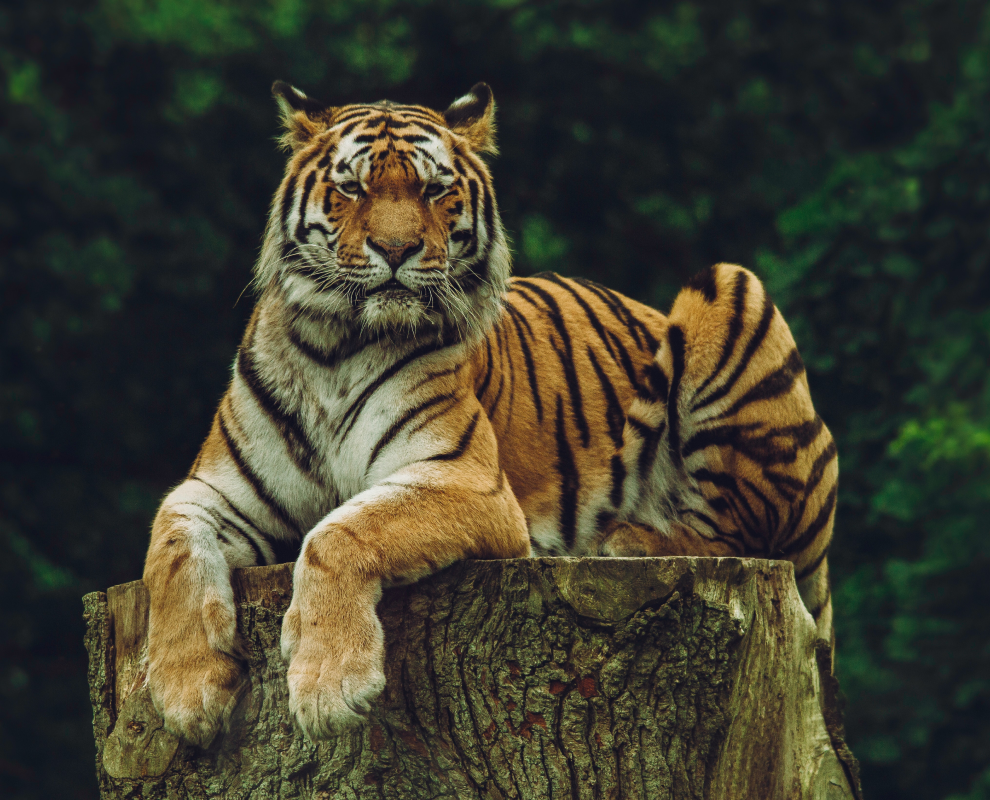
Learn about MP’s famous tiger reserves including Kanha, Bandhavgarh, and Pench. Discover wildlife, timings, and conservation efforts.
 Read More
 National Parks
Explore MP’s national parks like Satpura and Panna. Rich biodiversity, guided tours, and family-friendly activities.
 Read More
 Wildlife Tours & Safaris
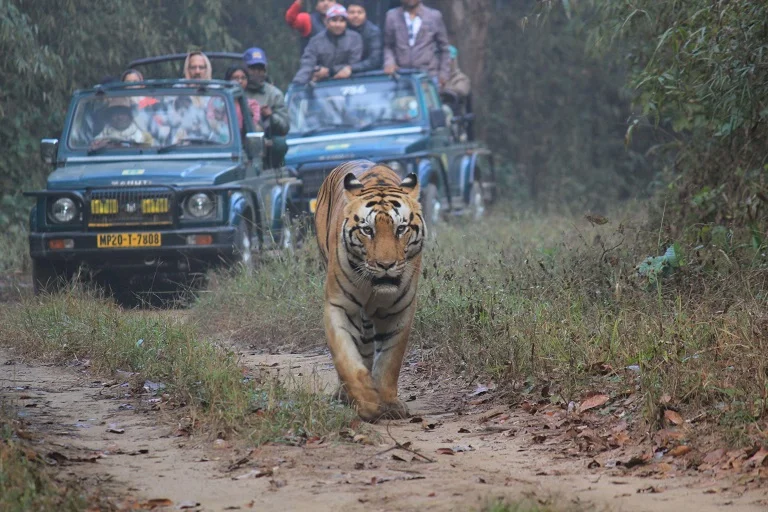
Book guided safaris, eco-tours, and wildlife adventures online. Expert guides and customized experiences available.
 Read More
 Conservation NGOs
Connect with local NGOs working to protect endangered species and empower communities across MP.
 Read More